Spin doesn’t come from swinging harder — it comes from the paddle face gripping the ball for a fraction of a second longer than a smooth surface would. If you’re starting to wonder whether your current paddle is actually holding your topspin serve or third-shot roll, that’s a face-material question, not a technique one. The fit table below sorts four independently spec-verified paddles built specifically around that mechanism; read “Choose this if” under each pick to see which one matches how you’re already trying to play.
| Paddle | Weight (oz) | Core (mm) | Face | Grip (in) | USAP | Fit | Price band |
|---|---|---|---|---|---|---|---|
| Vatic Pro Prism Flash 16mm | 7.9–8.2 | 16 | Raw Toray T700 carbon fiber, heat-compressed texture | 4.125 | USAP ✓ | Default spin upgrade, budget-friendly | $50–100 |
| Selkirk Omni Widebody 16mm | 7.9–8.2 | 16 | Carbon fiber, full-foam core, InfiniGrit texture | 4.25 | USAP ✓ | Foam-core spin, most forgiving | $250+ |
| Six Zero Double Black Diamond Control 16mm | 8.0–8.2 | 16 | Raw 700K Toray T700 carbon, Carbon Fusion Edge | 4.5 | USAP ✓ | Aggressive spin, top-tested RPM | $150–200 |
| JOOLA Perseus Pro V 16mm (Ben Johns) | 8.1 | 16 | Raw carbon fiber textured surface, Propulsion Core | 4.25 | USAP ✓ | Pro-tuned reach, spin with control | $250+ |
USAP status for all four picks checked directly against USA Pickleball’s registry: September 10, 2026. No recall found for any of these four paddles in our October 2026 CPSC search.
How to read this table
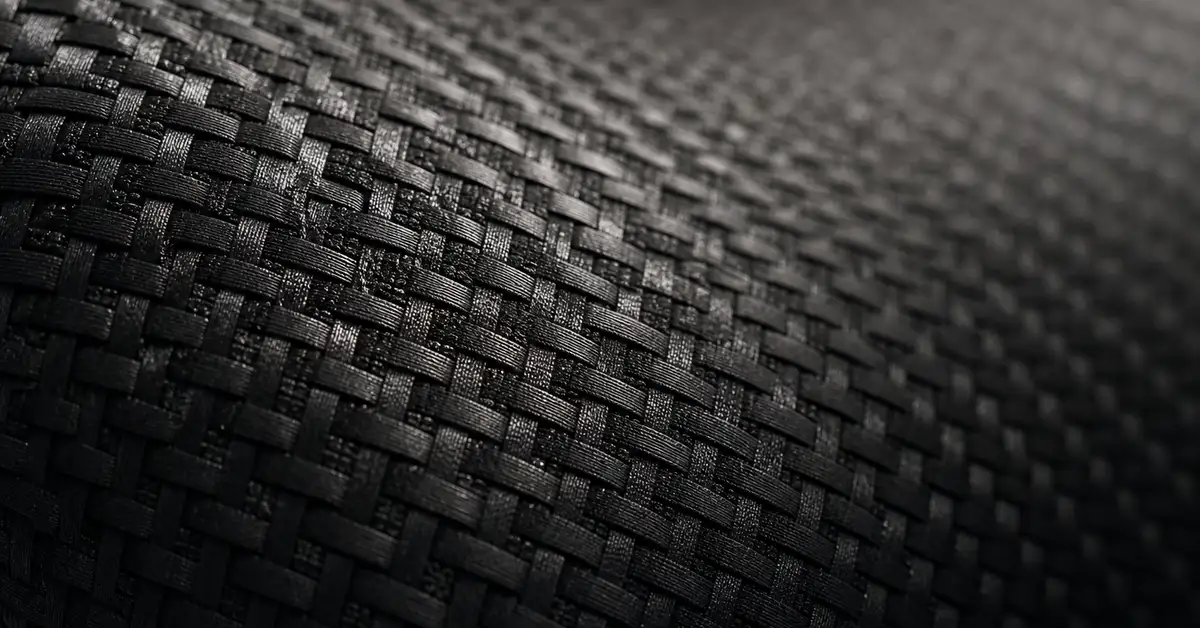
Two things actually put spin on the ball: how much the face’s surface texture grips it on contact, and how long the ball stays on the face (dwell time) before it releases. A raw, unpainted carbon face — or a deliberately gritty coating like Selkirk’s InfiniGrit — creates friction that a smooth, painted face can’t match, which is why every paddle below leans on texture rather than weight to generate spin. Core thickness and static weight matter for power, control and feel (see our 14mm vs 16mm core guide and paddle weight guide), but neither one directly drives spin the way face texture does — don’t let marketing copy that leans on a thicker core or a heavier swing imply otherwise. USAP: worth checking specifically on a spin-forward paddle, since USA Pickleball’s roughness and friction tests exist to cap how grippy a face can legally be — see our USAP-approval guide for the full picture, including a new spin-rate test that takes effect this fall. Price band: whether the extra grip is worth what these paddles cost, which — we’ll say plainly — is more than most of our other guides.
The 4 Best Pickleball Paddles for Spin in 2026
Transparency first: This guide contains affiliate links. If we’re enrolled in an affiliate program, we may earn a commission at no extra cost to you — it never affects how we research or rank. Read our full affiliate disclosure policy.
Vatic Pro Prism Flash 16mm
Best overall value
Choose this if: you want the most obvious, budget-friendly way to add real spin to your game without chasing the newest foam-core construction.
The Prism Flash pairs a raw Toray T700 carbon face with heat-compressed texturing over a full 16mm core — the same face-material family used on paddles that cost twice as much. Independent spec testing has measured its spin at 2,200 RPM, a “Good” rating in the 71st percentile of one spec database’s tested paddles.
What it feels like: real bite on brushed topspin serves and rolls, with dwell time that punches well above its price.
The trade-off: it’s a traditional honeycomb-core build, not one of the newer full-foam constructions below, so it won’t match the Omni’s stability on a true off-center hit.
$50–100 · USAP-approved (list checked September 10, 2026)
Selkirk Omni Widebody 16mm
Choose this if: you want spin from a full-foam, forgiving core rather than a thin, whippy build, and you’re ready to spend flagship money to get it.
The Omni pairs Selkirk’s Gen-4 full-foam core — a mix of EPP, EVA and expanding foam — with a carbon face finished in the brand’s InfiniGrit texture. PPA Tour’s own testing lab, which evaluated the Widebody build in May 2026, rates its spin performance “elite.”
What it feels like: soft and stable through contact, so the spin comes with more margin for error on off-center hits than a thinner, stiffer face gives you.
The trade-off: it’s the most expensive paddle on this list, and Selkirk and its testing partners publish an “elite” rating rather than a specific spin number, so you’re trusting a lab label more than a hard figure.
$250+ · USAP-approved (list checked September 10, 2026)
Six Zero Double Black Diamond Control 16mm
Choose this if: you’ve already decided spin is your priority and want the paddle that keeps testing near the top of independent spin databases.
The Double Black Diamond Control pairs a 700K raw Toray T700 carbon face with Six Zero’s Carbon Fusion Edge, a foam-injected perimeter that fuses the top and bottom faces along a seam. Independent lab testing has measured 2,018–2,107 RPM depending on thickness and test session — among the highest figures we found in this segment.
What it feels like: aggressive bite on brushed shots, with enough dwell time that even a slightly mistimed hit still carries usable spin.
The trade-off: retailers sell this paddle as “Control,” but USA Pickleball’s own registry lists this exact build as “Double Black Diamond RC 16mm” rather than “…Control 16mm” — same specs, different registry name, the kind of marketing-vs-registry drift our USAP-approval guide covers.
$150–200 · USAP-approved (list checked September 10, 2026)
JOOLA Perseus Pro V 16mm (Ben Johns)
Choose this if: you want the paddle shape and spin profile Ben Johns actually plays, and you’re comfortable paying pro-tier pricing for it.
The Perseus Pro V uses JOOLA’s elongated Perseus shape with a raw carbon textured surface, a flexing KineticFrame throat, and a Propulsion Core, in Johns’ own Blaze Red signature colorway. Independent spec testing measured 2,060 RPM, categorized “High.” Johns himself describes the shape’s contact point as adding “a lot of torque on the ball, a lot of spin, without adding too much power” (JOOLA’s own product page).
What it feels like: extended reach at the kitchen line with a centered sweet spot, so a sharply angled volley doesn’t cost you the point the way it can on a shorter face.
The trade-off: it’s an elongated shape, which trims some forgiveness on a true off-center hit compared with the widebody Omni above.
$250+ · USAP-approved (list checked September 10, 2026)
Cheaper alternative
None of the four picks above lands below $50–100, and even that one costs more than our absolute budget picks elsewhere on this site. If price matters more than maximum spin right now, our best pickleball paddles under $100 roundup covers four further-verified picks that stay under that ceiling, several with genuinely textured carbon faces of their own. Not sure spin is even your priority yet? Our best pickleball paddles for beginners guide is the right starting point instead.
Compact comparison
| Paddle | Best for | Price band |
|---|---|---|
| Vatic Pro Prism Flash 16mm | Default spin upgrade | $50–100 |
| Selkirk Omni Widebody 16mm | Foam-core, most forgiving | $250+ |
| Six Zero Double Black Diamond Control | Aggressive, top-tested spin | $150–200 |
| JOOLA Perseus Pro V | Pro-tuned reach and spin | $250+ |
We don’t run a lab and we won’t pretend to. Every USAP status above comes from our own direct search of USA Pickleball’s official registry, run today, September 10, 2026 — not copied from a manufacturer’s badge or a third-party review site’s claim. One finding worth flagging: retail listings call the Six Zero pick “Double Black Diamond Control,” but the registry itself lists the matching entry as “Double Black Diamond RC 16mm.” Same specs, same brand, different exact string — a naming-drift pattern we cover in more depth on our USAP-approval page. Three of our four picks land at $150–200 or above, and we’re not going to pretend that’s a coincidence: genuinely spin-forward face technology and full-foam cores are concentrated in brands’ flagship lines right now, not their entry-level ones. You’ll see the Six Zero Coral Pro and CRBN’s TruFoam Genesis line topping several other “best for spin” lists on the web. We looked at both. Six Zero’s Coral Pro is marketed with an “Ultra Rough UPA-approved texture” — UPA-A is a different certifying body from USA Pickleball, and our own registry search couldn’t confirm a matching Coral Pro entry by name, the same finding behind our spin claims vs. USAP certification audit. CRBN’s 2X TruFoam Genesis has a similar problem: the registry lists a “TruFoam 2 Genesis” and a separate, older “2X 16mm” model, and we couldn’t confirm which one, or whether either one, matches the exact widebody build currently sold under that name. Rather than guess, we left both off this list. Our October 2026 search of the US CPSC recall database found no recall for any paddle recommended above.
Frequently asked questions
Sources
- Vatic Pro, PRISM product line page (vaticpro.com)
- Rally & Dink, Vatic Pro Prism Flash review (rallyanddink.com)
- PaddleSpecs, Vatic Pro Prism Flash and JOOLA Perseus Pro V/IV spec and spin data (paddlespecs.com)
- Selkirk Sport, OMNI product page (selkirk.com)
- PPA Tour Paddle Lab, Selkirk Omni Widebody 16mm test entry (ppatour.com)
- Six Zero Pickleball, Double Black Diamond Control product listing (sixzeropickleball.com)
- Pickler Junction, Six Zero Double Black Diamond Control review (picklerjunction.com)
- JOOLA, Perseus Pro V product page (joola.com)
- USA Pickleball, Approved Paddle List (equipment.usapickleball.org) — each pick’s registry entry checked September 10, 2026
- USA Pickleball, “Update Regarding the USA Pickleball Spin Rate Test and Implementation Timeline” (usapickleball.org)
- USA Pickleball, Paddle Certification Updates (usapickleball.org)
- U.S. Consumer Product Safety Commission (CPSC), recall database (cpsc.gov) — October 2026 search; no recall found for any recommended paddle
Still deciding?
If you’re weighing spin against a more forgiving, all-around game, our best pickleball paddles for control guide covers eight further-verified picks built around consistency instead. New to the specs entirely? Our 14mm vs 16mm core guide covers the fundamentals this list builds on. Browse the full paddles category for every guide we’ve published.