Your first paddle taught you the game. If mishits that used to forgive you don’t anymore, or you can tell exactly what your shots are missing but not what to buy to fix it, that’s the signal you’re ready for a genuine upgrade — not just a different paddle. The fit table below sorts six verified paddles built for players past the “just get it over the net” stage; read “Choose this if” under each pick to find the one that matches how your game has actually developed.
| Paddle | Weight (oz) | Core (mm) | Face | Grip (in) | USAP | Fit | Price band |
|---|---|---|---|---|---|---|---|
| Vatic Pro Prism Flash 16mm | 7.9–8.2 | 16 | Raw carbon fiber | 4.125 | USAP ✓ | Default upgrade, control lean | $50–100 |
| Six Zero Double Black Diamond Control 16mm | 8.0–8.2 | 16 | 700K raw carbon (Toray T700) | 4.125–4.25 | USAP ✓ | Worth the splurge | $150–200 |
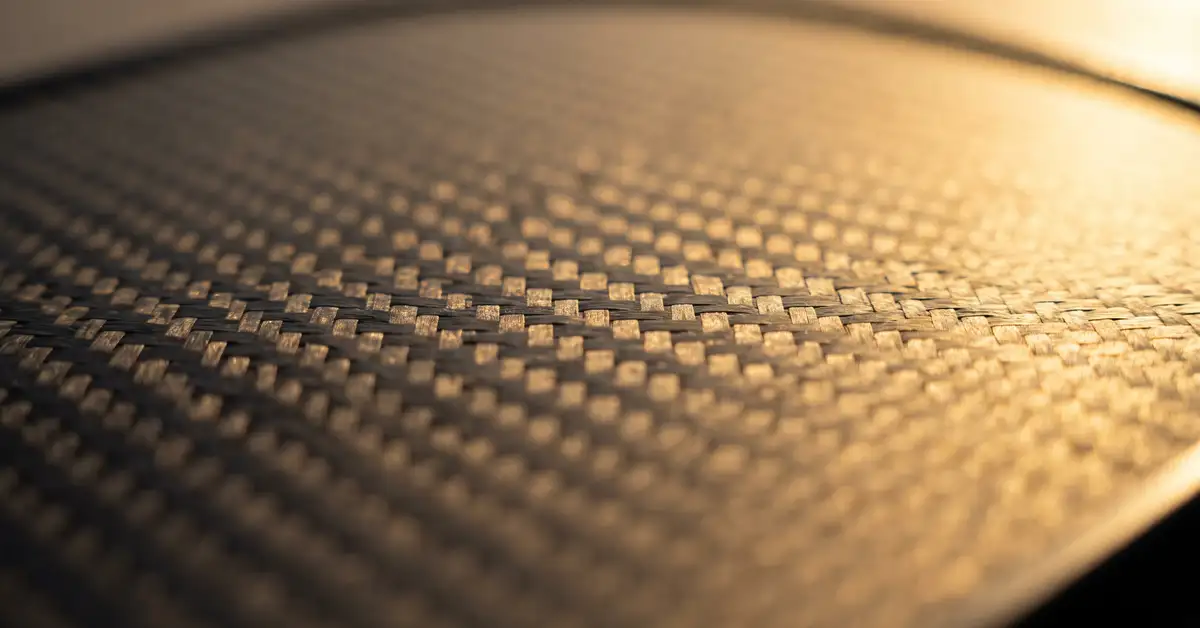
| SLK EVO Control Max | 7.6–8.1 | 16 | T700 CarbonFusion carbon fiber | 4.25 | USAP ✓ | Budget-conscious control | $100–150 |
| Gearbox CP7 (8oz) | 7.8–8.5 | — | Carbon & glass fiber | 4.0 | USAP ✓ | Dial in your weight | $50–100 |
| 11SIX24 Pegasus Jelly Bean 16mm | 7.9–8.3 | 16 | Carbon & fiberglass | 4.125 | USAP ✓ | Biggest margin for error | $50–100 |
| Diadem A52 | 7.75–8.0 | 13.7 | Carbon fiber w/ PU paint | 4.125 | USAP ✓ | Lightest-lift upgrade | $50–100 |
USAP status last checked per pick: August 13, 22, and 27, 2026 (see each pick below). No recall found for any of these six paddles in our October 2026 CPSC search. See the honest note below for why the dates differ.
How to read this table
At this stage, the question isn’t “will this paddle let me hit the ball back” — your first paddle already handles that. It’s “what will actually change once I’m placing shots on purpose instead of just returning them.” Core and face material do most of that work: a 16mm core with a real carbon face gives you more dwell time and spin than the fiberglass or graphite faces common on first paddles, which is exactly what lets you start directing shots rather than just contacting them (see our 14mm vs 16mm core guide for the physics). Weight matters differently now too — now that your technique is more consistent, a slightly heavier paddle (8.0oz+) can add stability on blocks without the “too heavy to react” problem a true beginner would feel; our paddle weight guide covers the full oz-to-feel breakdown. Grip: re-measure your hand rather than assuming your first paddle’s size was right — plenty of first paddles are sized generically, not to your hand. USAP: worth checking now even if you’re not tournament-bound yet, since it’s a genuine quality signal as much as a legality one. Price band: whether the jump from your first paddle buys a felt difference or just a bigger price tag.
The 6 Best Pickleball Paddles for Intermediate Players in 2026
Transparency first: This guide contains affiliate links. If we’re enrolled in an affiliate program, we may earn a commission at no extra cost to you — it never affects how we research or rank. Read our full affiliate disclosure policy.
Vatic Pro Prism Flash 16mm
Best overall value
Choose this if: you want the single most obvious upgrade from a typical first paddle — a real carbon face and a full 16mm core — without overthinking the decision.
The Prism Flash pairs a full 16mm polypropylene core with a raw carbon fiber face, the same texture family used on paddles that cost twice as much. It’s become a benchmark budget-carbon pick across multiple independent paddle reviewers, and it’s already the “second paddle” a lot of players land on without shopping much further.
What it feels like: a genuine step up in dwell time and spin from a beginner composite face — plush and quiet on contact, with real bite on the ball when you brush up for spin, the kind of feedback that makes placement finally feel intentional.
The trade-off: it leans control over pop, so if your game is already about driving the ball hard, you’ll feel that lean before you feel any weakness in it.
$50–100 · USAP-approved (list checked August 13, 2026)
Six Zero Double Black Diamond Control 16mm
Best for control
Choose this if: you’ve already decided you’re sticking with pickleball and you’d rather buy the paddle you’ll still want in a year than upgrade twice.
Six Zero sells the Double Black Diamond Control 16mm over a 700K raw carbon face and premium honeycomb core, in multiple weight classes, and it carries current USA Pickleball approval — though worth noting, retailers list it as “Control,” while USA Pickleball’s own registry lists this exact build as “Double Black Diamond RC 16mm” rather than “…Control 16mm”: same specs, different registry string, the naming-drift pattern our USAP-approval guide covers. It’s one of Six Zero’s best-selling models, and the jump from a typical first paddle to this one is a bigger, more deliberate step than the entry picks on this list.
What it feels like: plush on dinks and resets but noticeably more responsive on drives than a thinner-core first paddle — Six Zero describes it as tuned for the “power-to-control ratio,” and at this stage you’ll actually feel that balance rather than just reading about it.
The trade-off: it’s the most expensive paddle on this list, and the elongated-hybrid shape’s higher swing weight can feel demanding if your hands haven’t caught up to your technique yet.
$150–200 · USAP-approved (list checked August 22, 2026)
SLK EVO Control Max
Best budget pick
Choose this if: you want a real 16mm carbon control core without spending at the top of this list.
SLK is Selkirk’s value line, and Selkirk states that all SLK and Selkirk paddles carry USAPA approval. The EVO Control Max pairs a 16mm core with a T700 CarbonFusion carbon fiber face — the same face-material family used on Selkirk’s premium control paddles — at a fraction of the price of the splurge pick above.
What it feels like: softer and more forgiving on dinks and resets than a beginner-tier fiberglass or graphite face, closer to a genuine control paddle than a budget compromise.
The trade-off: at its regular price it sits at the very bottom of the $100–150 band — it’s an upgrade, not a bargain-bin one.
$100–150 · USAP-approved (list checked August 27, 2026)
Gearbox CP7 (8oz)
Choose this if: you’re not sure exactly what weight suits you yet, or you have larger hands and want more reach as you develop your game.
Gearbox sells the CP7 in three weights (7.8, 8.0, and 8.5oz), so you can dial in feel without switching models entirely once you know more about your own game. The 5.5-inch handle is longer than most paddles on this list, and the carbon-and-glass-fiber face is USAPA approved.
What it feels like: solid and stable, with a slightly elongated reach that starts to matter once you’re consistently getting to balls at full stretch rather than just retrieving them.
The trade-off: that longer handle trims a little face area compared with a pure widebody, so the sweet spot is good but not the most forgiving option here.
$50–100 · USAP-approved (list checked August 13, 2026)
11SIX24 Pegasus Jelly Bean 16mm
Choose this if: your off-center hits are still costing you points and you want the biggest margin for error you can buy before you tighten that up with reps.
11SIX24 built the Pegasus shape specifically as a widebody, and the three-layer carbon-and-fiberglass face spreads forgiveness across a genuinely large hitting zone. It’s a newer brand than some others on this list, but it’s on the official USAP approved list and widely stocked.
What it feels like: soft and dense, with a noticeably bigger “safe zone” than a standard-shape first paddle — mishits stay playable more often.
The trade-off: the wider face and longer handle add a touch of swing weight, so it’s not the fastest-handling paddle if quick hands at the net matter more to your game than forgiveness.
$50–100 · USAP-approved (list checked August 13, 2026)
Diadem A52
Choose this if: you want a real step up from your first paddle without jumping straight to a full 16mm control build.
The A52’s 13.7mm honeycomb core is thinner than every other paddle on this list, but Diadem positions it at the control end of their range with a carbon fiber face finished in PU paint for spin and durability. It’s USAPA-approved and priced accessibly, which makes it the lightest-lift upgrade here.
What it feels like: quicker off the face than the thicker-core paddles above, with a noticeable step up in spin and consistency compared with a beginner composite paddle.
The trade-off: the thinner core means less dwell time than the true 16mm+ picks above, so the softest resets take a bit more of your own touch to execute.
$50–100 · USAP-approved (list checked August 22, 2026)
Cheaper alternative
Every paddle above is a genuine step up from a typical first paddle, but none of them is a “just try it and see” purchase. If you’re not ready to spend $50–100 or more to find out whether a control-style upgrade suits you, our our budget pickleball paddle roundup covers four further-verified picks that stay under that mark. Not sure you’re actually past the beginner stage yet? Our best pickleball paddles for beginners guide is the right starting point instead.
Compact comparison
| Paddle | Best for | Price band |
|---|---|---|
| Vatic Pro Prism Flash 16mm | Default upgrade | $50–100 |
| Six Zero Double Black Diamond Control | Worth the splurge | $150–200 |
| SLK EVO Control Max | Budget-conscious control | $100–150 |
| Gearbox CP7 | Dial in your weight | $50–100 |
| 11SIX24 Pegasus Jelly Bean | Biggest margin for error | $50–100 |
| Diadem A52 | Lightest-lift upgrade | $50–100 |
We don’t run a lab and we won’t pretend to. Every paddle above is already independently verified and currently live elsewhere on this site — the specs, USAP status, and manufacturer sourcing come from our own most recent per-product checks (August 13, 22, and 27, 2026, dated individually above), not a fresh guess. We deliberately reused several proven picks here rather than sourcing an entirely new set for this page: a paddle can genuinely fit more than one segment, and a “second paddle” upgrade overlaps naturally with our control and budget guides. Separately, our October 2026 search of the US CPSC recall database found no recall for any of the six paddles. We also attempted a same-day USA Pickleball registry re-check for all six paddles specifically for this page, and the registry’s own search tool wasn’t reachable through our research pipeline today — a tooling gap, not a status change — so each pick’s USAP date above reflects its most recent independently-confirmed check rather than a September 3 reproduction. We’re not treating that as good enough indefinitely: every pick on this page gets re-verified on our standard 90-day cycle, sooner if we’re able to reach the registry directly before then. One more honest flag: five of the six picks above land in the $50–100 to $100–150 range and only one clears $150–200 — that’s what the verified evidence actually supports for this segment, not a gap we’re papering over.
Frequently asked questions
Sources
- Vatic Pro, PRISM product page (vaticpro.com)
- Six Zero Pickleball, Double Black Diamond Control product page (sixzeropickleball.com)
- Selkirk Sport, SLK EVO Control Max product page and USAPA-approval statement (selkirk.com)
- Gearbox Sports, CP7 8oz product page (gearboxsports.com)
- 11SIX24, Pegasus Jelly Bean product page (11six24.com)
- Diadem Sports, A52 product page (diademsports.com)
- USA Pickleball, Approved Paddle List (equipment.usapickleball.org) — per-pick checked August 13, 22, and 27, 2026 (see each pick above); a same-day registry re-check was attempted September 3, 2026, but the registry’s search tool was not reachable (see honest note)
- U.S. Consumer Product Safety Commission (CPSC), recall database (cpsc.gov) — October 2026 search; no recall found for any recommended paddle
Still deciding?
If you’re weighing control against power more broadly, our best pickleball paddles for control guide covers eight further-verified picks above this page’s price floor. New to the specs entirely? Our 14mm vs 16mm core guide and paddle weight guide cover the fundamentals this list builds on. Browse the full paddles category for every guide we’ve published.